

Electromagnetic Spectrum
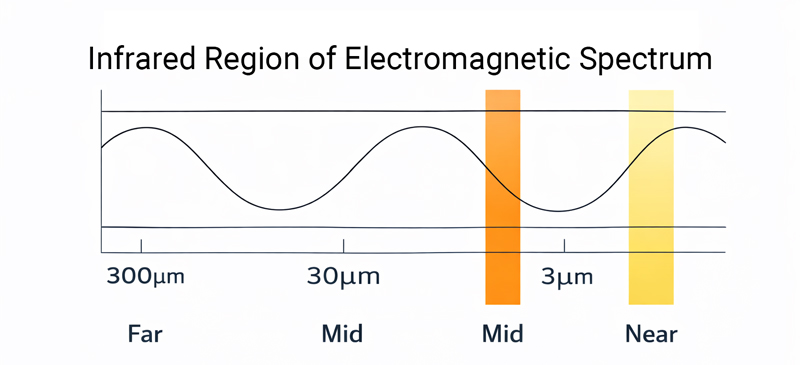
Infrared light lies between the visible and microwave portions of the electromagnetic spectrum. Infrared light has a range of wavelengths, just like visible light ranges from red to violet. Near infrared is closest to visible light, while far infrared approaches the microwave region.
Far Infrared Radiation
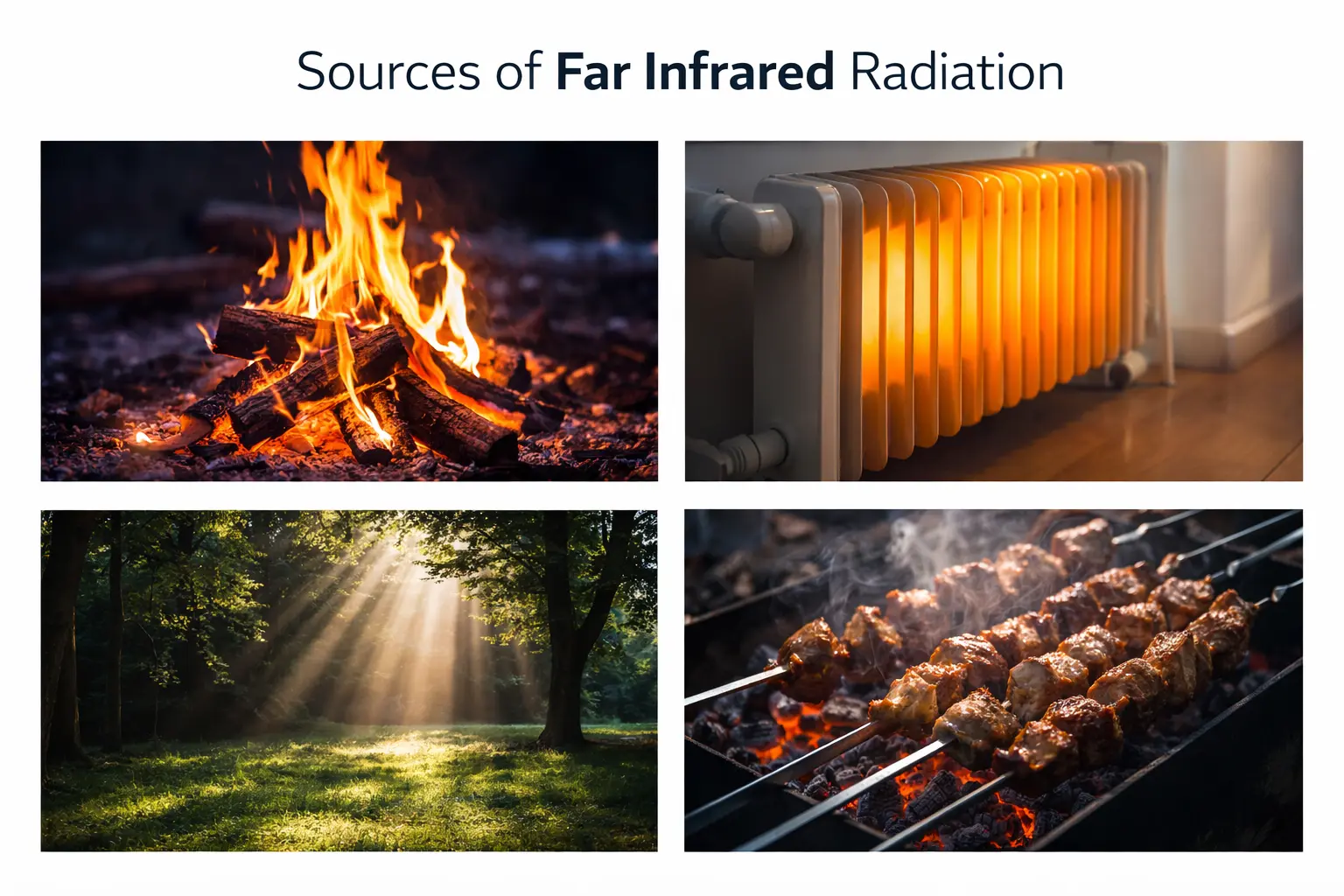
Far infrared waves are thermal. The heat felt from sunlight, fires, radiators, and warm pavement is infrared radiation. Temperature-sensitive nerve endings in human skin detect these differences.
Near Infrared Radiation
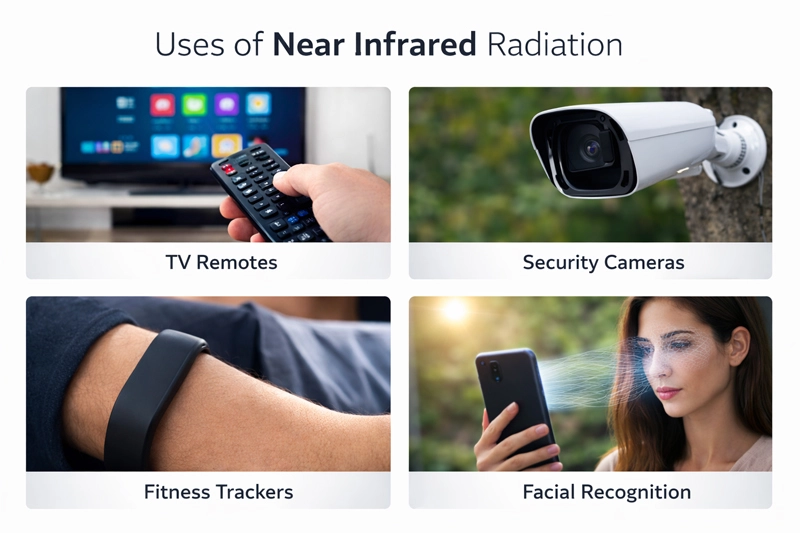
Near infrared radiation carries information without generating heat, which is why it is ideal for signal transmission.
Shorter, near infrared wavelengths are not detectable by human senses. These wavelengths are used by TV remote controls to transmit commands.
Medical Thermology
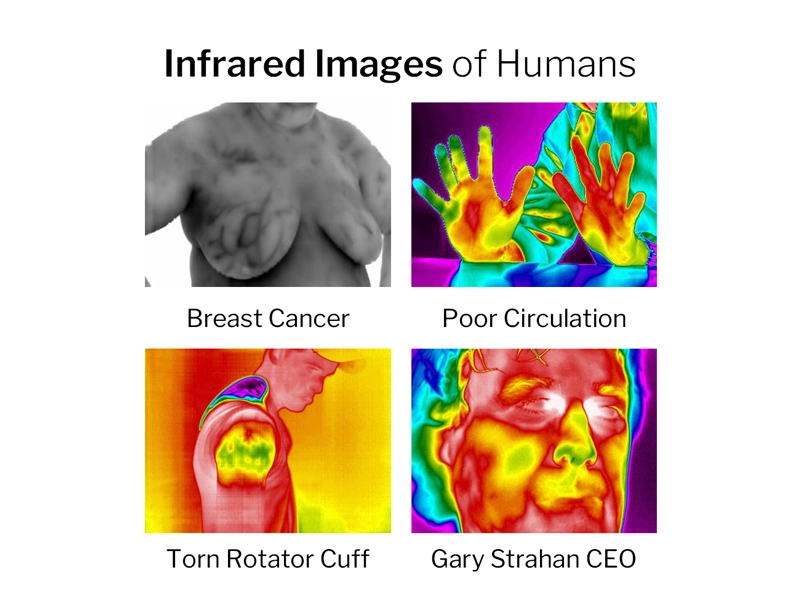
All objects with temperature emit infrared radiation. Humans radiate most strongly around 10 microns. Infrared imaging converts this radiation into visual information.
Thermograms
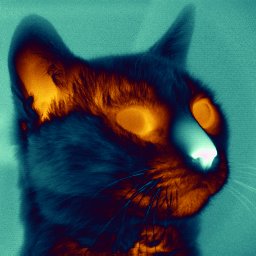
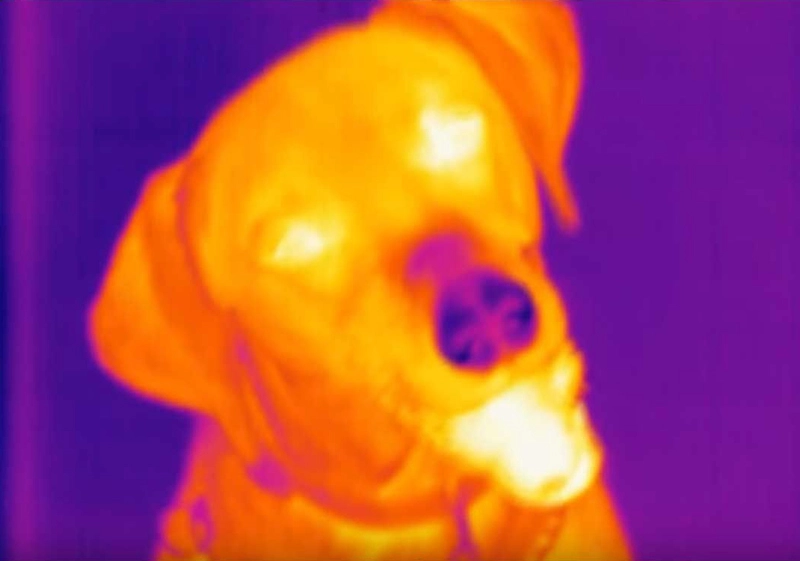
Infrared cameras assign colors or brightness values to temperature variations, providing information unavailable in visible light images. These infrared images are called thermograms .
Infrared Use in Space
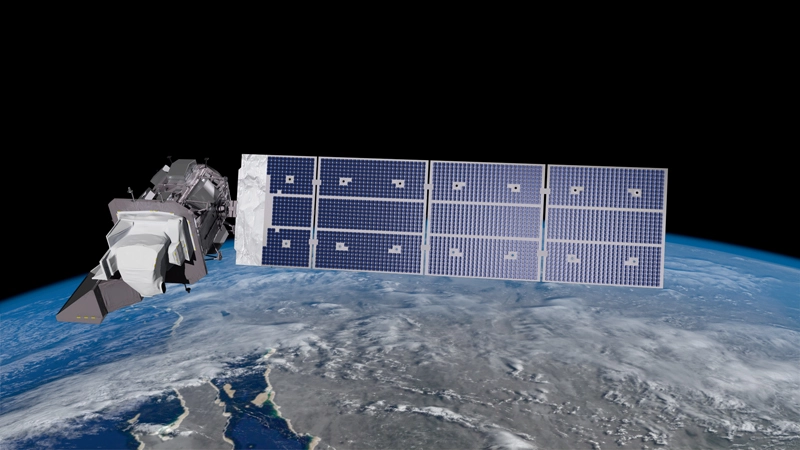
Satellites such as Landsat and GOES collect infrared data to study Earth’s surface and atmospheric phenomena.
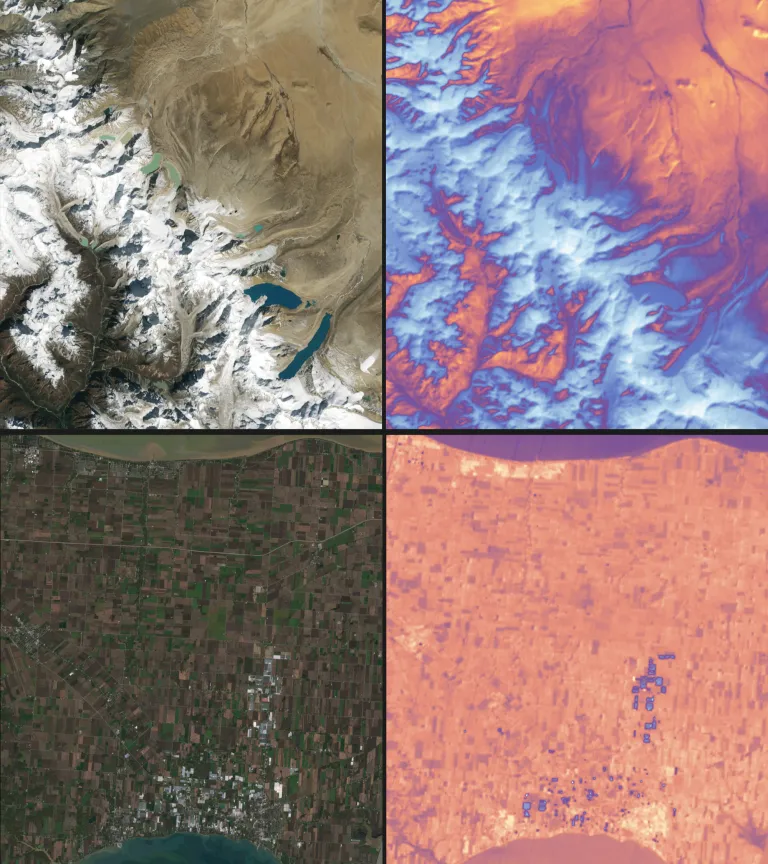
Part of the Landsat 9 mission, the Thermal Infrared Sensor 2 (TIRS-2) provides continuous thermal observations of Earth. To ensure data integrity, TIRS-2 imagery is rigorously evaluated for radiometric accuracy and geometric precision. By measuring reflected and emitted infrared radiation, the instrument enables detailed analysis of land surfaces, vegetation health, and atmospheric conditions.
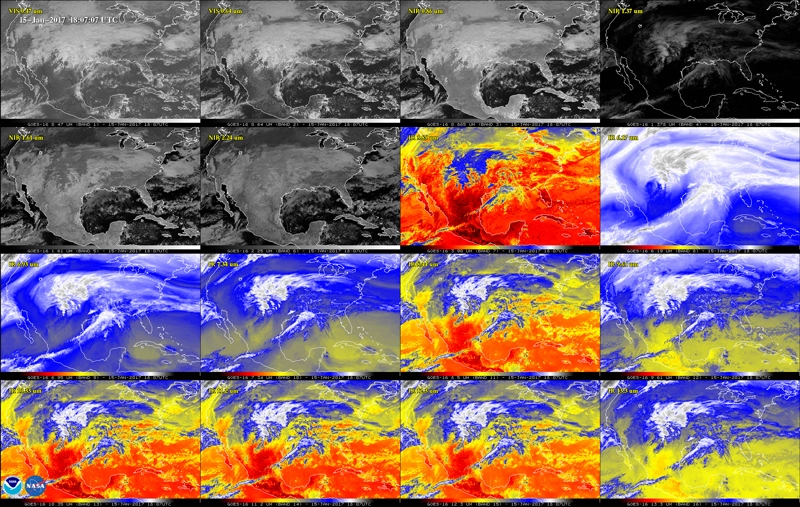
This 16-panel image shows the continental United States in the two visible, four near-infrared and 10 infrared channels on the Advanced Baseline Imager (ABI). These channels help forecasters distinguish between differences in the atmosphere like clouds, water vapor, smoke, ice and volcanic ash. (NOAA/NASA)
Infrared imaging allows scientists to distinguish cloud layers, land, and sea based on temperature variation.
Infrared in Agriculture
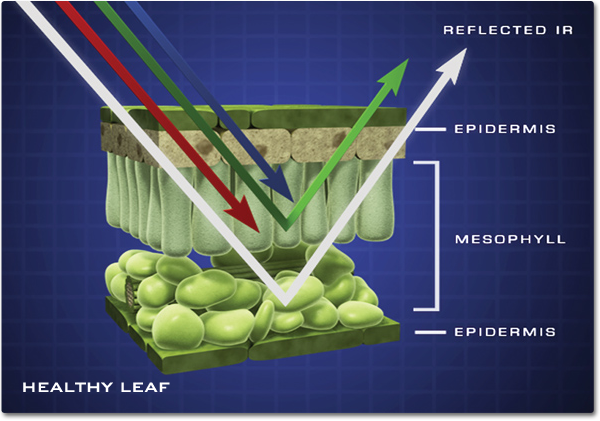
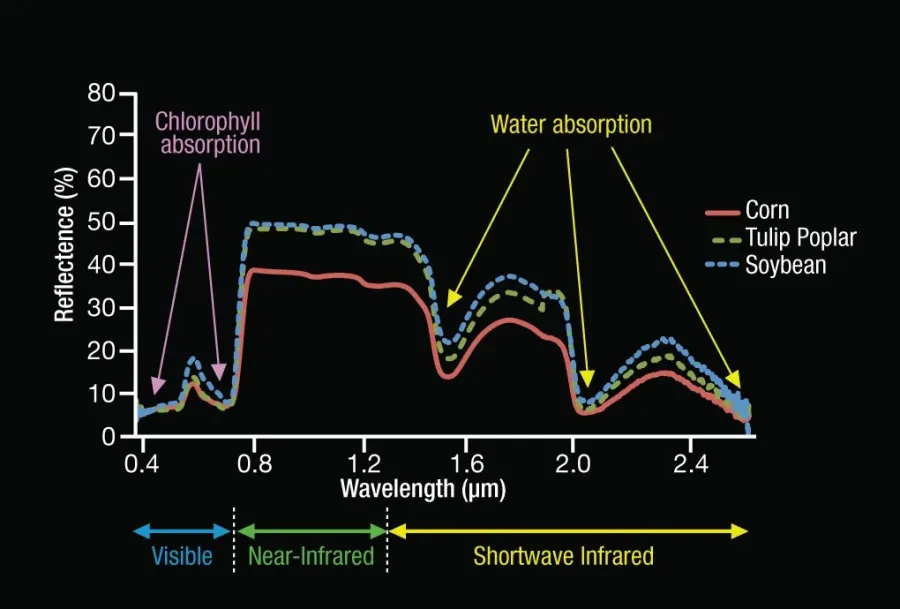
Healthy vegetation reflects near infrared strongly, which is used in agricultural analysis. Reflected near-infrared radiation can be sensed by satellites, allowing scientists to study vegetation from space.
The Nancy Grace Roman Space Telescope
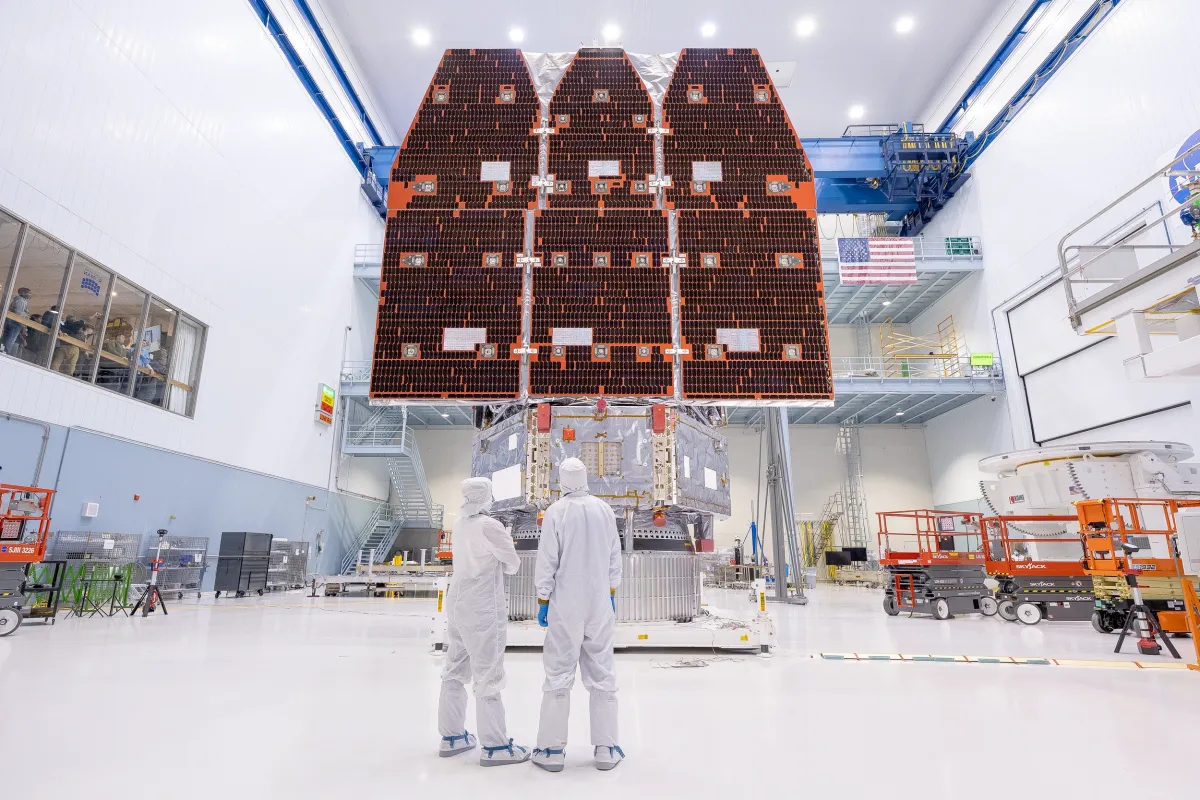
Infrared Processing and Analysis Center – Caltech / NASA. NASA’s IPAC provides infrared research and public educational resources.