

Infrared Building Inspections : Predictive Maintenance
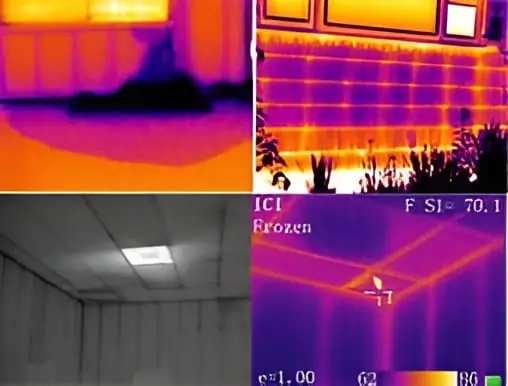
Infrared building inspections provide valuable insights, helping clients identify and diagnose potential issues within a structure. Thermal imaging uses infrared as an advanced non-destructive technology that allows a technician to show the customer issues with their building that no one can see with conventional inspection methods.
Infrared inspections and surveys are increasingly requested for residential, industrial and commercial applications. These inspections utilize the same technology found in aerospace, military, and medical applications. Infrared thermal inspections have assisted home owners, real estate investors, potential home buyers, commercial properties, industrial preventive maintenance, building management firms, and commercial management firms.
In the private sector analysis of residential properties, general contractors, renovators, home inspectors, real estate specialists, home builders, and home improvement specialists.
Thermal infrared inspections are exceedingly important for any region due to changes climate and seasonal conditions. At some point in time, everyone becomes affected by high energy costs; an infrared inspection can assist with environmental and building concerns and significantly reduce damage and repair costs associated with them.
 NACHI Home Inspection Standards
NACHI Commercial Inspection Standards
Infrared Inspections:
- Electrical Risks: Spot loose connections, overloaded circuits, and failing breakers.
- Walls & Insulation: Find where insulation has settled, gone missing, or gotten wet, as well as hidden structural gaps.
- Water & Leaks: active roof leaks, hidden plumbing drips, and areas at high risk for mold.
- Energy loss and efficiency: Identify exactly where you're losing heat, from missing insulation to broken seals in double pane windows.
- HVAC Performance: refrigerant leaks, malfunctioning radiant floors, air conditioner compressor leaks, and dangerous flue obstructions.
- Pests: heat signatures left by active infestations.
- Mechanical Inspections: friction and overheating in motors.
Electrical Systems Safety
Thermal Infrared Imaging has proven to be an ideal inspection method in the electrical field. Infrared gives us the ability to “see” and measure temperature anomalies on defective or worn components, and faulty assembly in electrical systems.
The resistance or friction produced is visible in the infrared spectrum. Overheating can occur in virtually all electrical components and hardware including generators, pole top connections, insulators, disconnects, jumpers, transformers, shoe connections, fuse connections, switchgear, starters, contactors and any other hardware. In transmission and distribution systems, thermal imaging can help cut production losses and prevent the eventual failure of these electrical systems. Utilizing infrared thermography for electrical inspections can help set maintenance priorities, lower insurance premiums, reduce loss, reduce liability, prevent unplanned outages, evaluate repairs, and maintain performance.
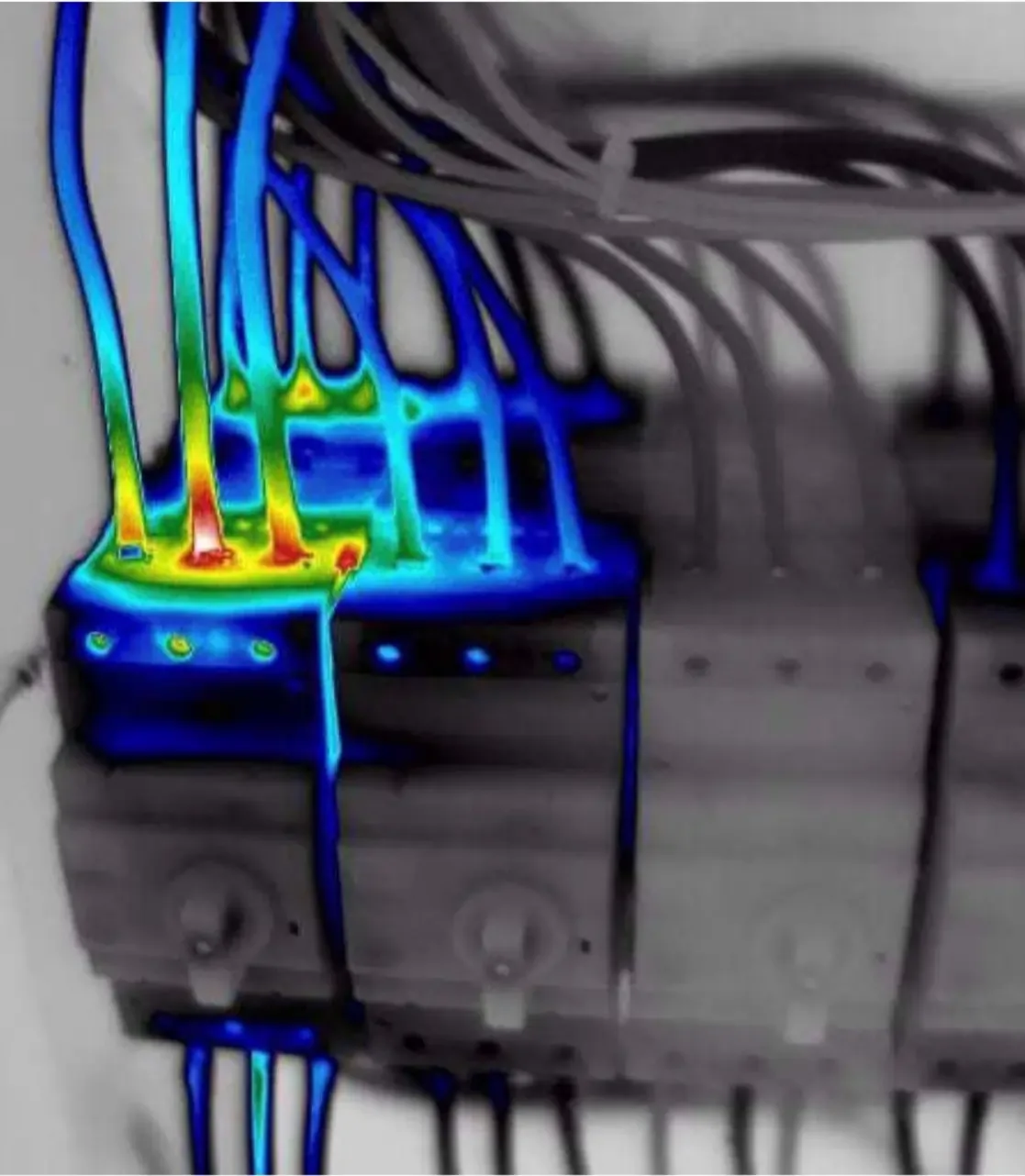
Think of these scans as a regular check-up for your electrical infrastructure. A breaker might look perfectly fine to the naked eye, but under a thermal lens, a glowing heat signature tells a different story. Catching these issues early is the best way to prevent equipment damage and expensive, unplanned downtime.
Insulation & Structure
We use thermal imaging to find the "holes" in your building's insulation. Because insulation blocks heat, any gaps or wet spots show up as temperature anomalies. This lets us see what’s going on inside your walls or ceilings without having to damage any drywall.
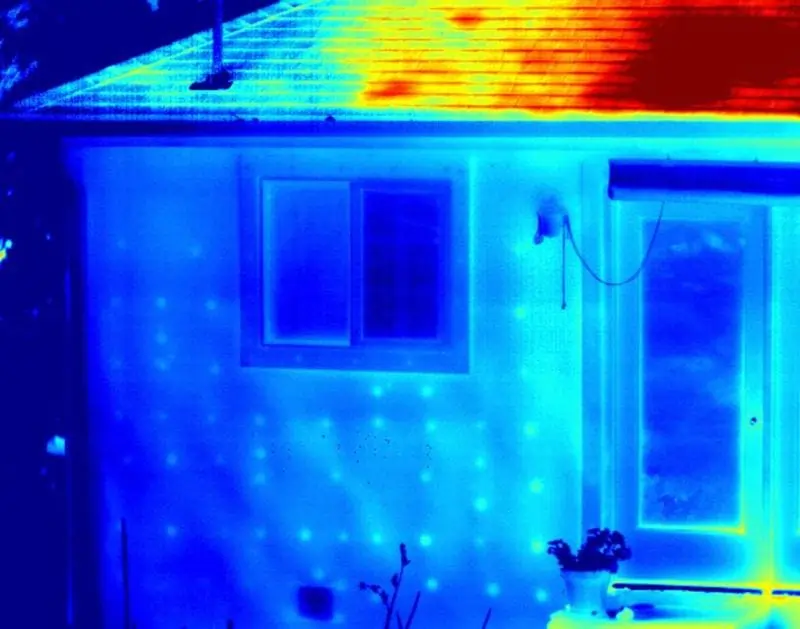
Since wood studs and steel headers hold heat differently than the space around them, we can spot missing framing or structural defects just by looking at the thermal patterns. If the pattern is off, we know something is missing or built incorrectly.
Hidden Leaks & Moisture
Hidden moisture and leaks can severely damage buildings. Because of evaporation, wet materials stay cooler than dry ones. On a thermal scan, hidden leaks usually show up as dark, spreading shapes. This helps us find roof leaks or pipe drips long before they cause rot or expensive structural issues.
Stopping mold starts with finding moisture. Our cameras allow us to map out the full "plume" of a leak, so we can tell you exactly how far the water has traveled. This takes the guesswork out of repairs.
Energy Efficiency
"Energy efficiency is the fastest, safest and cheapest method currently available for cutting carbon emissions. ... Fighting global warming doesn't have to derail the economy, or even slow it much. The right combination of saving energy and investing in new forms will pay dividends for the world."
Los Angeles Times Nov. 26, 2007
Most buildings "leak" air. Infrared cameras help us see exactly where that air is moving. Once you see the thermal map, you'll know exactly where to seal up to keep your home insulated and energy efficient.
We can also inspect the window seals. When the insulating gas between the panes leaks out, the window stops doing its job. By identifying these "thermal bridges," infrared thermography can help pinpoint issues and help to lower your utility bills.
HVAC & Mechanical Systems
For HVAC units, we use thermal imaging to check that compressors aren't running too hot and that radiant floor loops are heating evenly. If a heated floor has a break or a blockage, we can find the exact spot to repair.
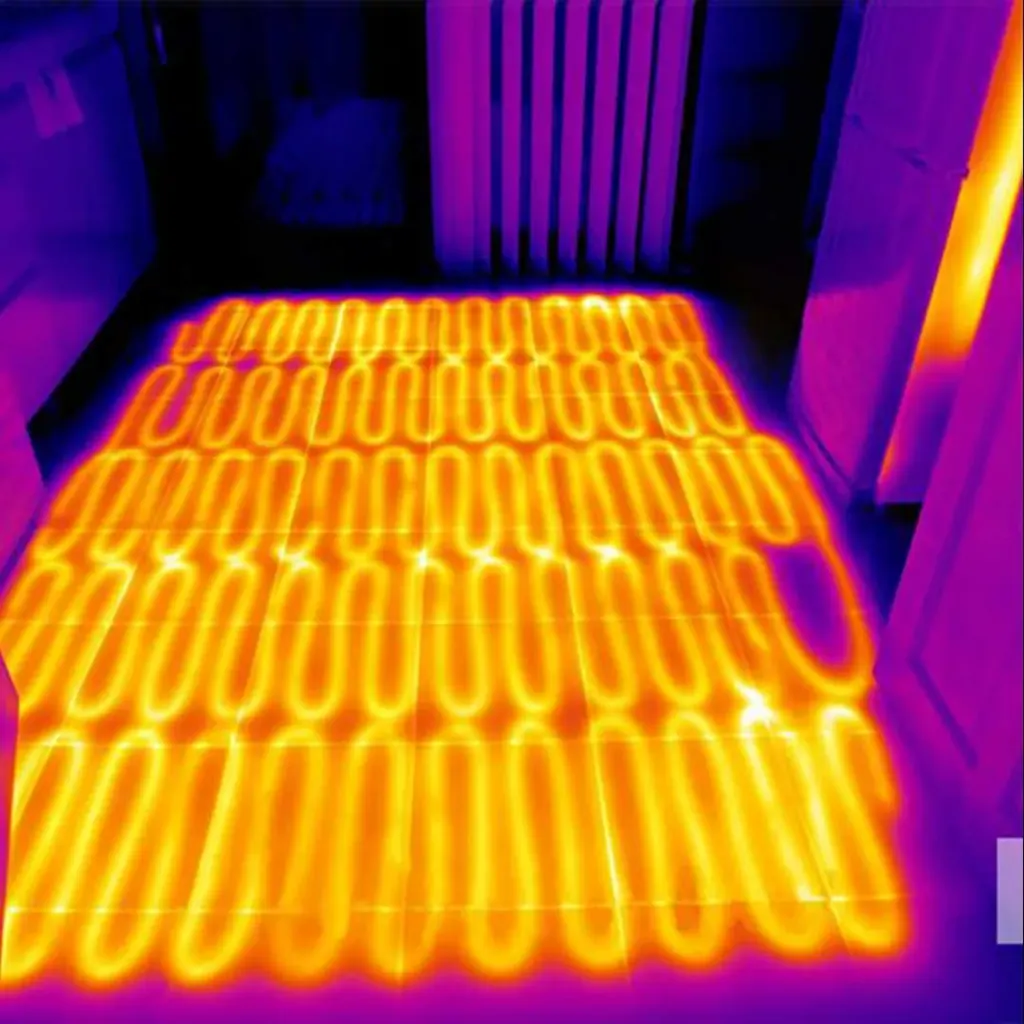
Thermographers can check for dangerous flue leaks in your furnace. Since combustion gases are hot, they show up clearly if they are escaping into your home. This is a vital check to prevent carbon monoxide poisoning.
Pests
While we can't see a single ant through a wall, large colonies of termites or carpenter ants actually generate their own heat and hold onto moisture. These "hot spots" give us an image that points directly to where the infestation is in the structure.
Larger animals like rodents or raccoons also leave a thermal trail by destroying or moving your insulation. A quick scan often reveals the entry points and nesting areas they’ve created, letting you handle the problem quickly and effectively.
Mechanical Inspections
Motors and bearings usually get very hot right before they break. Infrared thermal imaging can find that friction-induced heat caused by poor lubrication, worn components, or parts that are out of alignment. By catching this early, you can schedule a quick fix during your normal downtime rather than dealing with a total system failure at a later date.
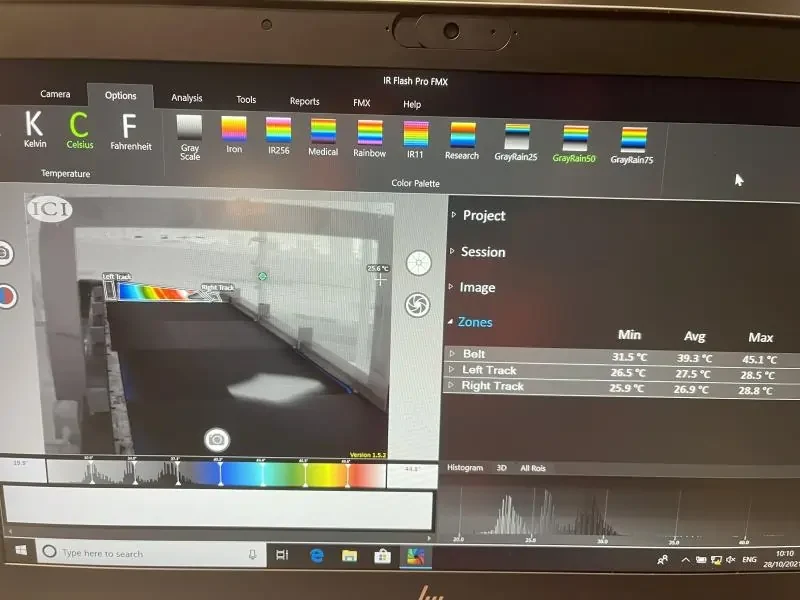
A hot motor isn't just a breakdown risk, it's also inefficient. If a machine has to work harder to overcome friction, it's driving up your electricity costs. Thermal imaging gives us a safe, non-contact way to make sure everything is running smoothly and efficiently.